
food
Calamariere: How to Perfectly Prepare at Home

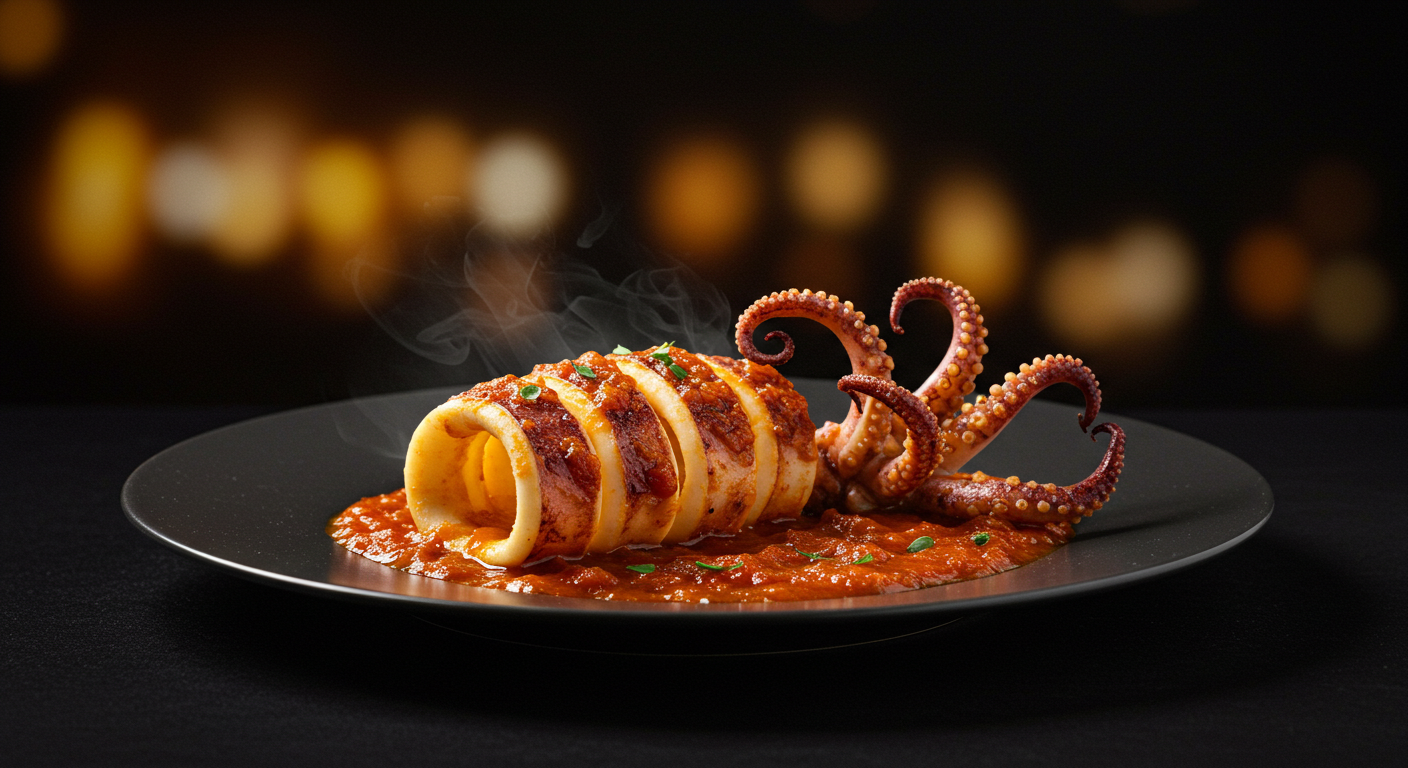
In the world of unique terms and culinary inspirations, calamariere stands out as a fascinating concept. Though it may not be widely familiar, calamariere has gained attention for its cultural roots, culinary appeal, and its role in shaping lifestyle and creative expression. From traditional settings to modern gastronomy, the term calamariere reflects innovation, heritage, and a strong link to authenticity.
What is Calamariere?
The word calamariere evokes curiosity because it appears to blend heritage with modern imagination. Derived from linguistic and cultural influences, calamarere can be linked to Mediterranean culinary traditions. In many interpretations, it connects to calamari (squid), a beloved seafood, and the idea of artistry in preparing or presenting it. However, calamarere extends beyond just food—it can symbolize creativity, refinement, and balance between tradition and innovation.
Historical Roots of Calamariere
The history of calamarire is thought to have roots in Mediterranean societies, where seafood played a vital role in daily sustenance. Fishing communities along the Italian, Greek, and Spanish coasts created recipes that highlighted the versatility of squid. Over time, calamari dishes became a representation of family gatherings, cultural identity, and celebration. The concept of calamriere may have emerged as a way of expressing the artistry of preparing squid-based dishes while preserving culinary heritage.
Calamariere in Culinary Culture
Mediterranean Influence
In Mediterranean kitchens, calamarere reflects mastery in seafood preparation. Chefs use delicate seasoning, olive oil, lemon, and fresh herbs to elevate simple ingredients into refined dishes. Whether grilled, stuffed, or fried, calamari has always been central to the idea of calaariere.
Beyond the Plate
Calamariere is not limited to the act of cooking—it also embodies presentation. The way seafood is plated, garnished, and served turns a dish into a cultural story. This reflects the broader meaning of calamaiere: the merging of craftsmanship with creativity.
Modern Interpretations of Calamariere
Culinary Innovation
In today’s restaurants, calamaiere has evolved into a symbol of modern seafood gastronomy. Chefs experiment with fusion cuisine, combining calamari with Asian spices, South American flavors, and innovative cooking methods. This reinvention ensures that calamaiere continues to evolve with changing tastes.
Lifestyle and Aesthetics
Outside of food, calamariere can represent lifestyle aesthetics. It is associated with elegance, coastal living, and a passion for authenticity. From fine dining experiences to home gatherings, calamaiere reflects a way of embracing cultural richness while enjoying modern simplicity.
The Symbolism of Calamariere
Heritage and Identity
Calamariere symbolizes the passing down of traditions through generations. Families that include calamari in their culinary practices reinforce their cultural roots while celebrating shared experiences.
Creativity and Craftsmanship
At its core, calamaiere highlights creativity. Whether in the kitchen or as a broader lifestyle concept, it represents the balance between honoring tradition and embracing new ideas.
Calamariere in Global Cuisine
While calamarere may have origins in Mediterranean heritage, it has now spread worldwide. In Asia, variations include calamari stir-fries with bold spices. In Latin America, calamari is prepared with citrus marinades as part of seafood platters. In North America, fried calamari has become a popular appetizer in casual and upscale dining alike. This global adaptation shows how calaariere resonates universally.
Health and Nutrition in Calamariere
One important dimension of calamariere is its connection to health-conscious dining. Squid, the central ingredient, is low in calories and rich in protein, making it suitable for balanced diets. It also contains vitamins, minerals, and omega-3 fatty acids. Prepared with minimal oil and fresh herbs, calamriere-inspired dishes can be both delicious and nutritious.
Calamariere in Hospitality and Tourism
Tourism industries in coastal regions often highlight calamariere as part of cultural attractions. Food festivals, seaside dining, and culinary tours showcase calamarere dishes to visitors. For travelers, enjoying calamriere becomes an experience that combines local culture with gastronomic exploration.
The Future of Calamariere
With the rise of global food culture, calamariere is expected to gain even more recognition. As sustainability becomes essential, chefs are rethinking sourcing methods to ensure seafood is harvested responsibly. Calaariere may also expand into plant-based interpretations, where chefs recreate the flavors and textures of calamari with alternative ingredients. This shows that calamaiere is not only about tradition but also about innovation for the future.
Conclusion
Calamariere is more than just a culinary idea—it is a cultural symbol, a celebration of creativity, and an evolving concept that bridges tradition with modernity. From Mediterranean roots to global adaptations, calamriere represents how food connects people, communities, and lifestyles. Its significance lies in its ability to adapt, inspire, and remind us of the value of authenticity.
As the world continues to explore diverse cuisines and sustainable practices, calamaiere will remain a meaningful part of gastronomy and cultural storytelling. It is a reminder that food is not just about nourishment but also about identity, heritage, and innovation.
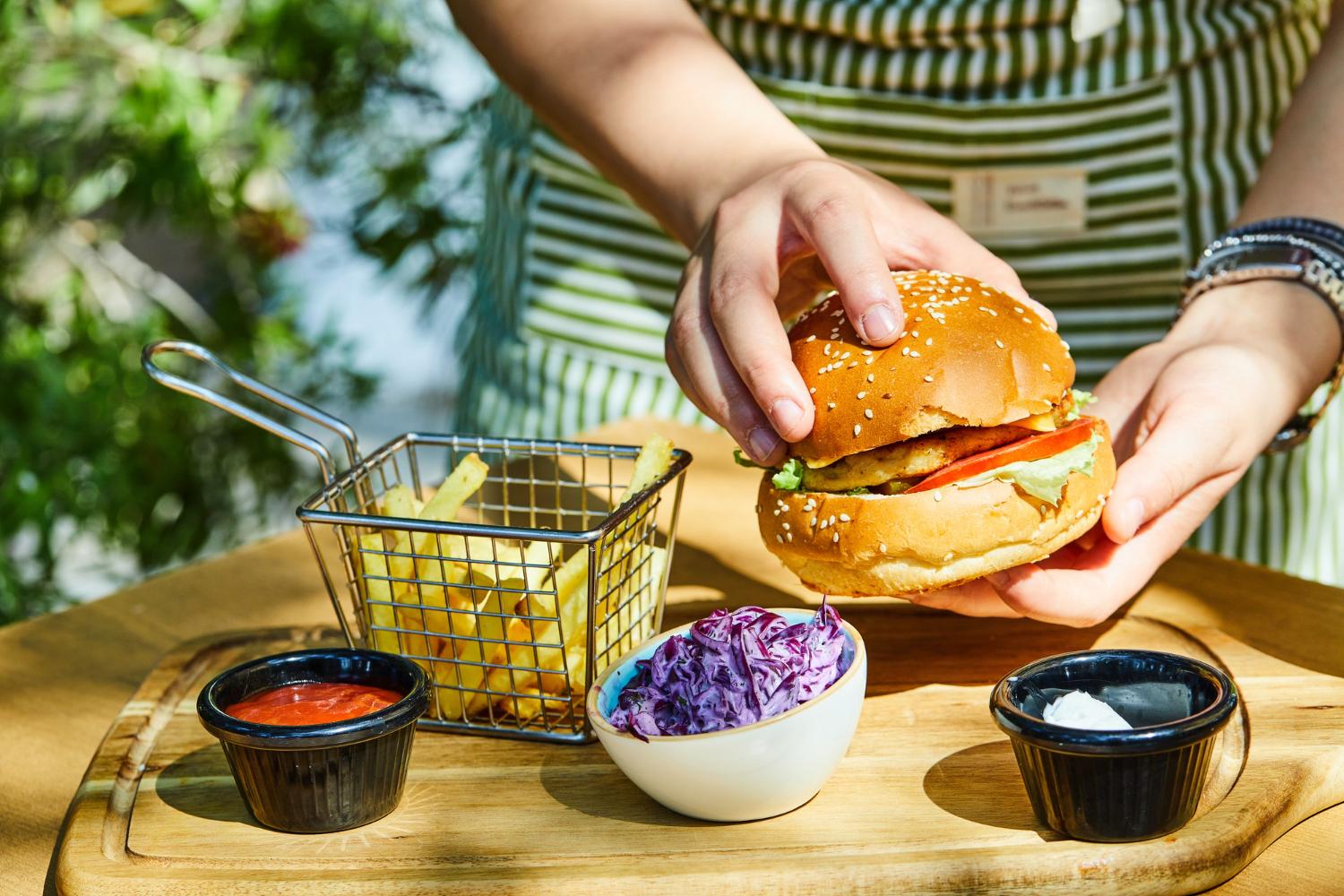
Everything from breakfast to dinner and snacks after work are provided easily and conveniently at American food restaurants that have reliable drive thru restaurant service. It began with convenience, but now millions of people look to it as a favorite meal, that’s fast and still tastes great.
The drive-through experience of today isn’t just about quick and tasty fast food, it’s about consistency, convenience and meals that fit into an active lifestyle.
Convenience That Fits Every Lifestyle
One of the main reasons people opt for a drive thru restaurant is the amount of time. Ordering a meal without leaving your vehicle is convenient for busy professionals, parents dropping off and picking up children from school, and commuters.
A drive-through also simplifies things should the weather be bad or when traveling with children. Customers don’t have to wait for a table or park their car when ordering food, they can order and then get on with their day.
More Than Just Burgers
Modern American food restaurants serve up to a full selection of burgers, but there are many other options for all to enjoy during the day.
There are now many places that serve:
- Fresh breakfast sandwiches
- Pancakes and waffles
- Chicken sandwiches
- Salads and wraps
- Fries and sides
- Milkshakes and specialty beverages
Bigger menus will provide more reasons for a customer’s visit, whether they’re going out for breakfast on their way to work, or enjoying a late night meal after an event.
Breakfast Has Become a Major Draw
Now breakfast is a key part of the restaurant agenda. The drive-thrus can be a great convenience for many customers who want a quick breakfast in the morning.
Typical morning foods consist of eggs, bacon, sausage, biscuits, breakfast burritos, hash browns and freshly made coffees. An all-day breakfast adds convenience to restaurants that cater to commuters, students and families.
Many people make it a ritual to end the night at their favorite restaurant in the morning.
Speed Matters, but So Does Consistency
Fast service gets the customer in, but good and bad service keeps them.
Customers want to experience the same level of delight at the same time when they go to their favorite meal. Few restaurants manage to provide a consistent experience, and those that do are well-trained and operate the kitchen efficiently and are organised in the way of preparing the order.
Customer satisfaction is also a big factor in having accurate orders. If a customer gets what they ordered, they will trust you, and probably return for future purchases.
Technology Has Improved the Drive-Through Experience
Technology is still a big investment for modern restaurants, with the technology to order even easier.
Nowadays many customers use:
- Mobile ordering apps
- Digital menu boards
- Contactless payment options
- Loyalty and rewards programs
- Online promotions and exclusive offers
They help to minimize wait times and provide customers with more options when ordering and paying.
A Comfortable Option for Families
Drive-through restaurants aren’t only popular with commuters. They are also a popular option among families due to their convenience during travel with kids.
No need to unstrap car seats, push a stroller or deal with the kids of an active toddler in a packed restaurant. Rather, they may be able to grab a bite to eat and go on with their shopping or home.
With this convenience, drive through meals have become a commonplace alternative for many families.
Why Customers Keep Coming Back
While convenience is certainly a key factor, the popularity of drive-throughs can be explained by a number of other factors.
Customers appreciate:
- Fast and efficient service
- Familiar menu favorites
- Affordable meal options
- Consistent food quality
- Easy ordering experience
- Convenient locations
If these expectations are met regularly, these restaurants will be your go-to place for breakfast, lunch and dinner, and anything else in between.
Bottom Line
Due to the needs of the modern lifestyle, American food restaurants continue to gain in popularity. From grabbing breakfast before heading to work, picking up lunch between appointments, or frequenting a drive through after a long day, convenience and consistency is the top motivator for them returning.
Here at Zee’s Kitchen our goal is to make delicious, tasty meals as quick as it takes to order them and service as friendly as possible to get people to come back every morning, every noon and every evening.

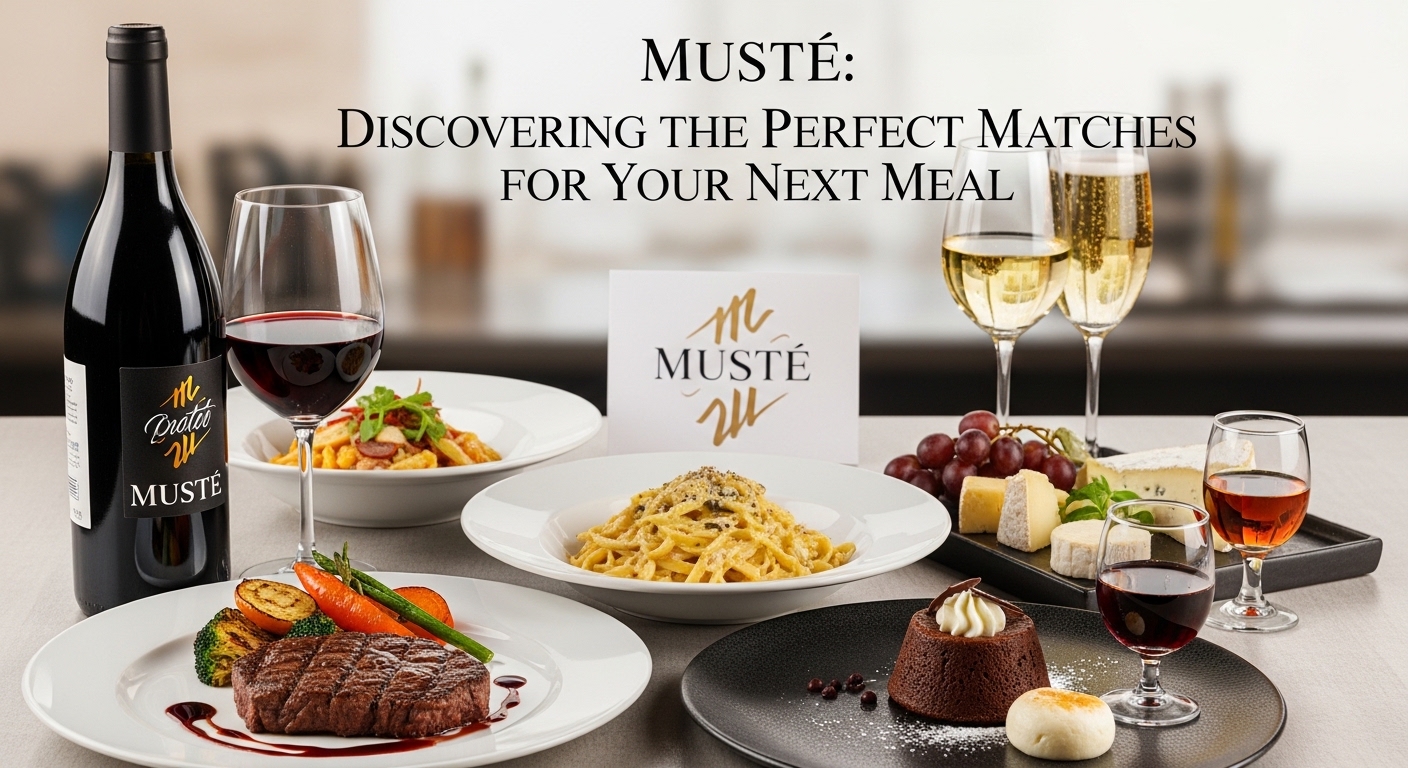
Musté is more than a culinary concept; it is a philosophy that transforms the way we think about food pairing and dining experiences. In today’s evolving food culture, Musté represents the art of discovering the perfect matches for your next meal by balancing flavors, textures, aromas, and presentation in harmony. Whether you are planning a casual family dinner or curating a gourmet experience for guests, understanding Musté can help you elevate every dish to new heights. This article explores the origins, principles, techniques, and practical applications of Musté, offering a comprehensive guide to mastering the perfect match for every plate.
Understanding Musté and Its Culinary Philosophy
Musté embodies the idea that food is not just about sustenance but about connection, balance, and sensory pleasure. At its core, Musté is about thoughtful pairing. It emphasizes how ingredients interact with each other to create either contrast or complementarity. When flavors are aligned properly, they enhance one another rather than compete. The philosophy behind Musté draws from traditional culinary wisdom found in diverse food cultures across the globe. In Mediterranean cuisine, the pairing of olive oil, fresh herbs, and ripe tomatoes exemplifies harmony. In Asian cooking, the balance of sweet, sour, salty, and umami reflects a deep understanding of taste equilibrium. Musté integrates these global insights into a unified approach that anyone can apply in their kitchen. The concept also considers seasonality, freshness, and presentation. A meal curated with Musté in mind feels intentional and complete. The experience extends beyond taste to aroma, texture, and visual appeal, creating a multisensory journey.
The Science Behind Musté and Flavor Pairing
Musté relies heavily on the science of flavor compounds. Ingredients share aromatic molecules that determine how well they pair together. When two foods contain complementary compounds, they often taste harmonious when combined. Flavor pairing can be categorized into complementary and contrasting approaches. Complementary pairing blends similar taste profiles, such as creamy cheese with buttery crackers. Contrasting pairing introduces balance through opposites, such as sweet honey drizzled over tangy goat cheese.
| Flavor Profile | Complementary Pairing | Contrasting Pairing | Example Dish |
|---|---|---|---|
| Sweet | Vanilla and caramel | Sweet and salty | Salted caramel dessert |
| Savory | Herbs and roasted meats | Savory and sweet | Honey glazed chicken |
| Acidic | Lemon and herbs | Acidic and creamy | Lemon cream pasta |
| Bitter | Dark chocolate and coffee | Bitter and sweet | Chocolate espresso cake |
| Umami | Mushrooms and soy sauce | Umami and acidic | Mushroom stir fry with lime |
Musté in Everyday Home Cooking
Musté is not reserved for professional chefs. It can be applied in everyday cooking to create more satisfying meals. When preparing breakfast, pairing fresh fruit with creamy yogurt demonstrates balance. For lunch, combining grilled vegetables with tangy vinaigrette brings depth to a simple salad. Dinner becomes more dynamic when protein, starch, and vegetables complement one another in flavor and texture. Home cooks can begin by analyzing the dominant flavor in a dish and building around it. If a meal is rich and creamy, adding an acidic element can brighten the overall taste. If a dish feels heavy, incorporating herbs or citrus zest can provide freshness. Texture is equally important in Musté. A crunchy topping on a smooth soup creates contrast. A silky sauce over crisp vegetables forms a pleasing sensory experience. By paying attention to these details, even basic meals can feel thoughtfully curated.
Musté and Beverage Pairings
Pairing beverages with meals is a central component of Musté. The right drink enhances flavors and refreshes the palate. Wine, tea, coffee, and even infused water can elevate a meal when selected thoughtfully. Wine pairing often follows principles similar to food matching. Light white wines complement delicate fish, while bold reds enhance rich meats. Tea pairing is gaining popularity, offering subtle and aromatic matches for various cuisines. Herbal teas work well with spicy dishes, while black teas pair nicely with desserts.
| Meal Type | Beverage Pairing | Reason for Match |
|---|---|---|
| Grilled Fish | Crisp white wine | Enhances delicate flavors |
| Spicy Curry | Herbal tea | Soothes heat and balances spice |
| Roasted Meat | Full bodied red wine | Matches intensity |
| Creamy Pasta | Sparkling water with lemon | Cuts richness |
| Chocolate Dessert | Dark roast coffee | Amplifies depth |
Musté and Cultural Inspirations
Across cultures, variations of Musté have long existed in culinary traditions. French gastronomy emphasizes harmony in sauces and proteins. Italian cuisine celebrates balance through simplicity and freshness. Japanese cooking focuses on seasonal alignment and visual symmetry. Middle Eastern cuisine combines spices and sweetness in a refined equilibrium. These traditions reflect the universal desire to create meals that feel complete and satisfying. Musté synthesizes these influences, encouraging experimentation while respecting foundational principles. By exploring global cuisines, cooks gain inspiration for new combinations and creative approaches. Cultural awareness also expands ingredient options. Spices such as cardamom or sumac introduce complexity. Fermented ingredients like miso or kimchi add umami depth. Integrating these elements within the Musté framework allows for innovation while maintaining balance.
Musté and Seasonal Ingredients
Seasonality plays a crucial role in Musté. Ingredients harvested at their peak naturally possess richer flavors and better texture. A summer tomato tastes sweeter and juicier than one grown out of season. Autumn squash offers warmth and depth that align with cooler weather. Using seasonal produce ensures that flavor pairings feel authentic and vibrant. Spring meals may highlight fresh herbs and tender greens. Winter dishes might emphasize root vegetables and hearty grains. Aligning ingredients with their natural cycle enhances both taste and nutritional value. Seasonal awareness also supports sustainability. Locally sourced ingredients reduce environmental impact while offering superior freshness. Musté encourages mindful selection, ensuring that each element contributes meaningfully to the dish.
Musté in Restaurant Dining Experiences
Restaurants increasingly incorporate Musté principles to design cohesive menus. Tasting menus often follow a deliberate progression of flavors, beginning with light appetizers and culminating in rich desserts. Each course complements the next, guiding diners through a carefully orchestrated experience. Chefs consider not only taste but also presentation. Visual contrast, plate composition, and color coordination all influence perception. A vibrant garnish can elevate a simple entrée. The arrangement of elements on a plate contributes to the overall harmony. Hospitality professionals also understand pacing. The rhythm of service impacts how flavors are perceived. Allowing time between courses ensures that each dish is appreciated fully. This holistic approach embodies the essence of Musté.
Musté and Health Conscious Choices
Balanced meals promote overall wellness. Musté supports mindful eating by encouraging thoughtful combinations that satisfy without excess. Pairing lean proteins with fiber rich vegetables and whole grains creates sustained energy. Nutritional balance aligns naturally with flavor harmony. Fresh herbs reduce the need for excessive salt. Citrus brightens dishes without added sugar. Healthy fats from nuts or olive oil provide richness without heaviness.
| Ingredient | Nutritional Benefit | Flavor Contribution |
|---|---|---|
| Avocado | Healthy fats | Creamy texture |
| Spinach | Iron and vitamins | Mild earthiness |
| Salmon | Omega 3 fatty acids | Rich savory flavor |
| Lemon | Vitamin C | Bright acidity |
| Almonds | Protein and fiber | Crunch and nuttiness |
Musté and Presentation Techniques
Presentation significantly influences perception. A well plated dish appears more appetizing and sophisticated. Musté emphasizes color contrast, height variation, and clean composition. Warm tones such as roasted vegetables can be offset by bright green herbs. A drizzle of sauce adds artistic flair. Even simple meals benefit from intentional plating. Lighting and table setting also play a role. Neutral tableware highlights food colors. Soft lighting enhances warmth. These elements contribute to a cohesive dining atmosphere that complements flavor harmony.
Musté and Dessert Pairing Creativity
Desserts provide an opportunity to explore both complementary and contrasting flavors. Sweet dishes benefit from subtle bitterness or acidity to prevent overwhelming richness. A citrus zest brightens a creamy cheesecake. Dark chocolate pairs beautifully with tart berries. Texture contrast enhances dessert experiences. Smooth custard topped with crisp caramel shards creates dimension. Warm pastries served with cold ice cream deliver temperature interplay. Musté encourages experimentation while maintaining balance. By understanding core principles, even innovative dessert creations remain harmonious.
Musté and Future Culinary Trends
As food culture evolves, Musté remains adaptable. Plant based dining, fusion cuisine, and sustainable sourcing align naturally with its philosophy. Modern diners seek experiences rather than mere meals. They value authenticity, creativity, and mindful preparation. Technology also influences culinary exploration. Digital platforms share recipes and pairing ideas globally. Home cooks gain inspiration from diverse sources, expanding their flavor repertoire. Despite changing trends, the foundation of Musté remains constant: thoughtful pairing, sensory balance, and intentional design.
Embracing Musté for Your Next Meal
Applying Musté does not require advanced culinary training. It begins with awareness. Consider the dominant flavor in your dish and identify elements that complement or contrast it. Pay attention to texture, aroma, and visual appeal. Choose beverages that enhance rather than overpower. Over time, practice develops intuition. You begin to recognize which combinations create harmony and which disrupt balance. Cooking becomes more creative and satisfying. Musté ultimately transforms meals into experiences. By discovering the perfect matches for your next meal, you cultivate not only flavor but also connection and enjoyment. Each thoughtfully paired ingredient tells a story of balance and intention. Through Musté, every meal becomes an opportunity to celebrate harmony on the plate.
Conclusion
Musté ultimately represents a mindful and creative approach to food that transforms ordinary meals into meaningful culinary experiences. By focusing on balance, harmony, and thoughtful pairing, Musté encourages a deeper understanding of how flavors, textures, aromas, and presentation work together. It is not limited to fine dining or professional kitchens; it is a practical philosophy that anyone can apply at home. When you embrace Musté, you begin to see food differently. Ingredients are no longer random elements on a plate but carefully selected components that complement or contrast with purpose. From selecting seasonal produce to pairing beverages and designing visually appealing dishes, every choice contributes to a cohesive dining experience.
-

 Blog5 months ago
Simpcit6: Redefining Simplicity in a Complex World
-

 Blog9 months ago
Baddi Hub: An Emerging Industrial and Business Hotspot
-

 Technology9 months ago
YourAssistantLive com: The Future of Smart Digital Assistance
-

 Health8 months ago
Nerovet AI Dentistry: Enhancing Patient Experience and Treatment Outcomes Dental Care
-

 Technology5 months ago
Voomixi com: The Digital Platform Redefining Online Interaction
-

 Business7 months ago
Top Benefits of Using Quality Wire Rope Lube in US Heavy Industry
-

 Technology8 months ago
Anonibs: The Trending Anonymous Image Board Platform
-

 HomeImprovment8 months ago
Acamento: How Finishing Techniques Define a Building’s Style